Kingston Vale Beekeepers
Welcome to our website and thank you for visiting. Here you will find information about our bees including photographs, videos, our activities and a regular report on our beehive inspections. Please browse through the menu options and feel free to contact us with any questions or comments.
Local beekeeping since 2010
Barry and Tom founded Vale Beekeepers during 2010. Both individuals hold beekeeping qualifications and maintain membership with the British Beekeepers Association and Kingston Beekeepers Association (a Surrey Beekeepers branch, which operates as a registered charity).
Their apiary is in Kingston Vale, South West London, where the bees visit local gardens, Kingston Vale Allotments, Richmond Park, Wimbledon Common and the grounds of Kingston University, gathering pollen and nectar for Kingston Vale Honey production.
Read more about us →2010
Founded
BBKA
Members
KBKA
Kingston Beekeepers
7 awards at the National Honey Show 2026
11 awards at the Surrey Honey Show 2026
Raw, unfiltered, not-for-profit
All proceeds support the cost of looking after our bees
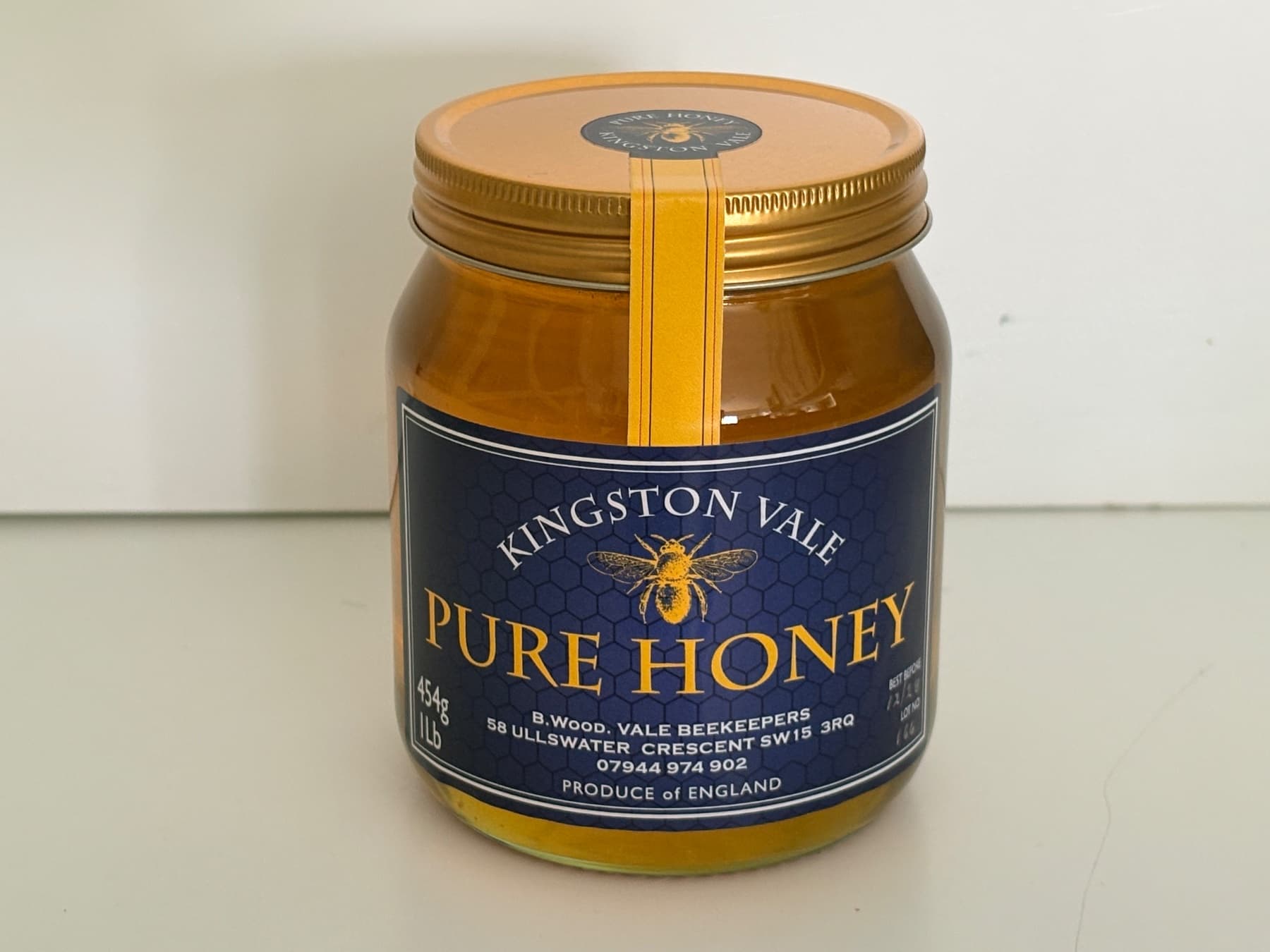
1lb (454g) jar £10
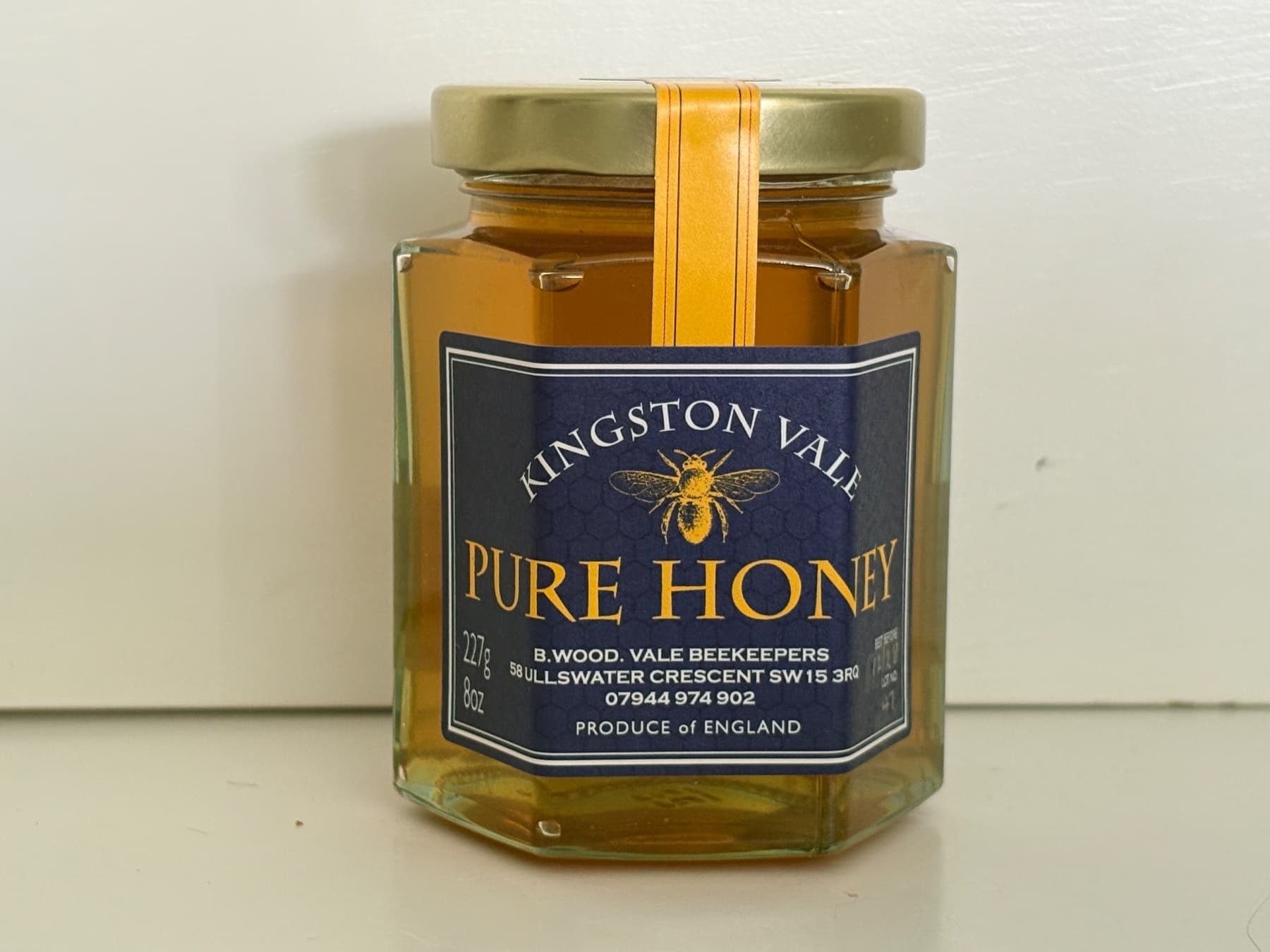
8oz (227g) jar £6
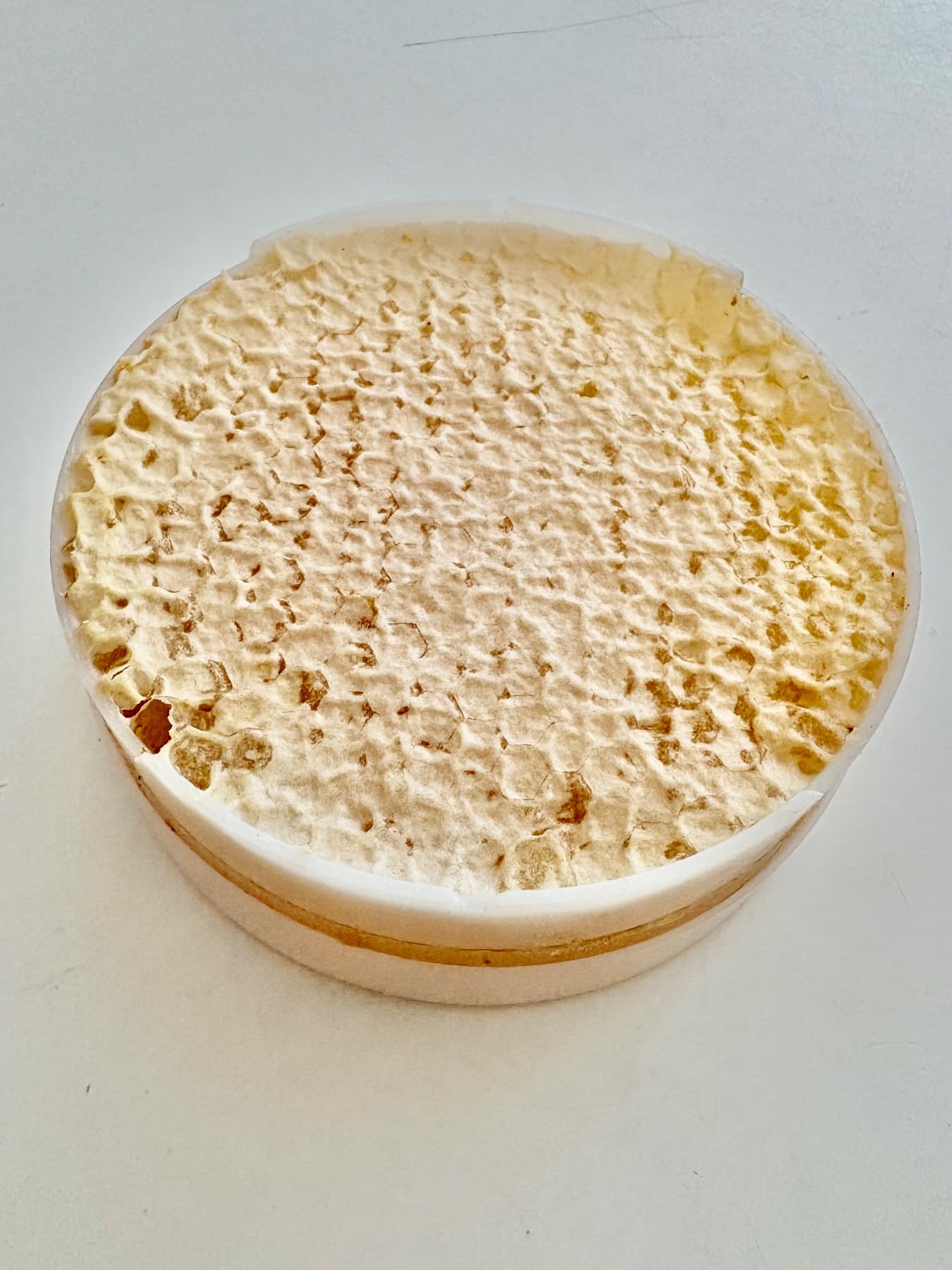
Honeycomb now available in 8oz round sections at £12 each
What’s happening at the hives
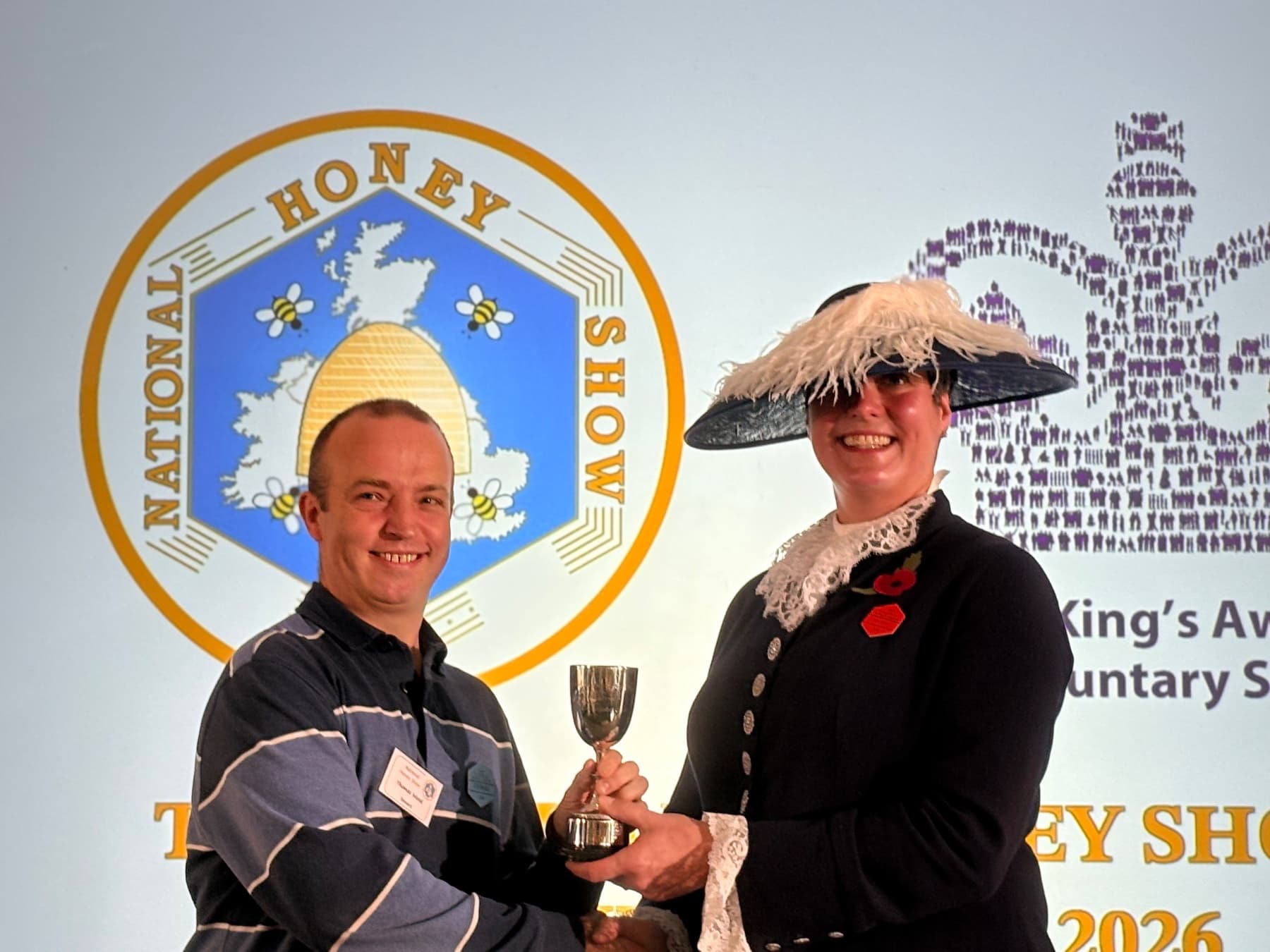
October 2026
2026 National Honey Show awards
Success for our bees at the prestigious National Honey Show.
September 2026
Surrey Honey Show awards 2026
6th September 2026. Both our Spring and Summer honey won awards at The Surrey Honey Show held at Denbies wine estate, Dorking. Our round honeycomb sections also impressed the judges with our two entries being awarded 1st and 2nd prize. The bees will be delighted when we tell them the good news!
July 2026
Honeycomb
Honeycomb....We now have a limited amount of 8oz round section honeycomb, £12 each.